


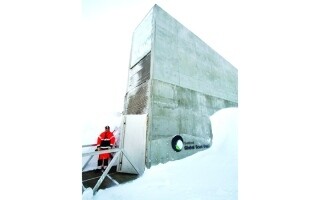
The global seed vault on the Svalbard archipelago in Norway, "Svalbard," announced that yesterday approximately 14,000 new seed samples were added to the vault. Among them were many seeds from countries affected by natural disasters and conflicts.
The newly added seeds include tobacco varieties from Sudan, important cultures and crops from the Philippines, as well as seeds from countries such as Bolivia, Brazil, Nigeria, and Zimbabwe. The vault was opened in February 2008 in the mountains near the town of Longyearbyen and is used for storing seeds of thousands of agricultural cultures from around the world.
The Svalbard Global Seed Vault, managed by the Svalbard Research Institute, claims that seed banks from at least 85 countries have deposited seed samples in the vault as a reserve copy.
Liz Stevens, the director general of the Svalbard Research Institute, stated that the addition of seed samples from countries such as the Philippines and Sudan underscores the role of the vault in protecting against parallel crises, climate change, and conflicts.
She added that the seeds added this week underscore the importance of international collaboration in preserving genetic resources for future generations.
The Svalbard Research Institute noted that the civil war in Sudan, lasting around two years, led to the destruction of a significant part of the national seed bank in the country. Furthermore, the Philippines, characterized by significant genetic diversity, are seriously threatened by natural disasters, losing numerous seeds from the national seed bank during the typhoon that struck the country in 2006.